Signs It’s Time To Consider A Re-Roof
A roof rarely fails without warning. It speaks first in small signals: a loose tile after a storm, a stain on the ceiling that was not there last month, a gutter filling with fragments that look like grit. Many property owners hope a quick repair will settle it. Sometimes it does. Sometimes it is the beginning of a larger pattern.
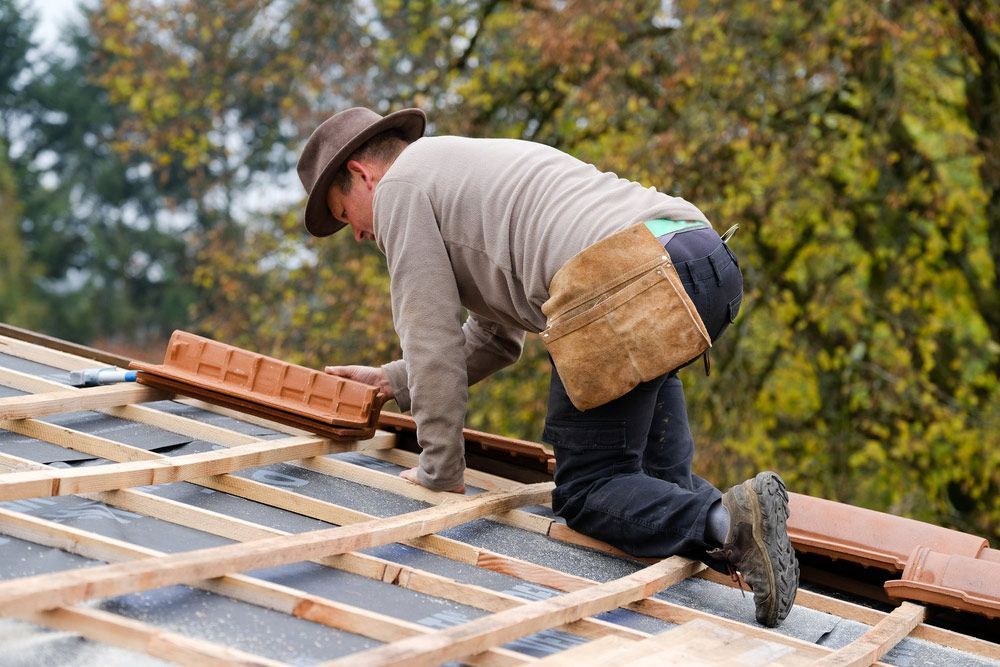
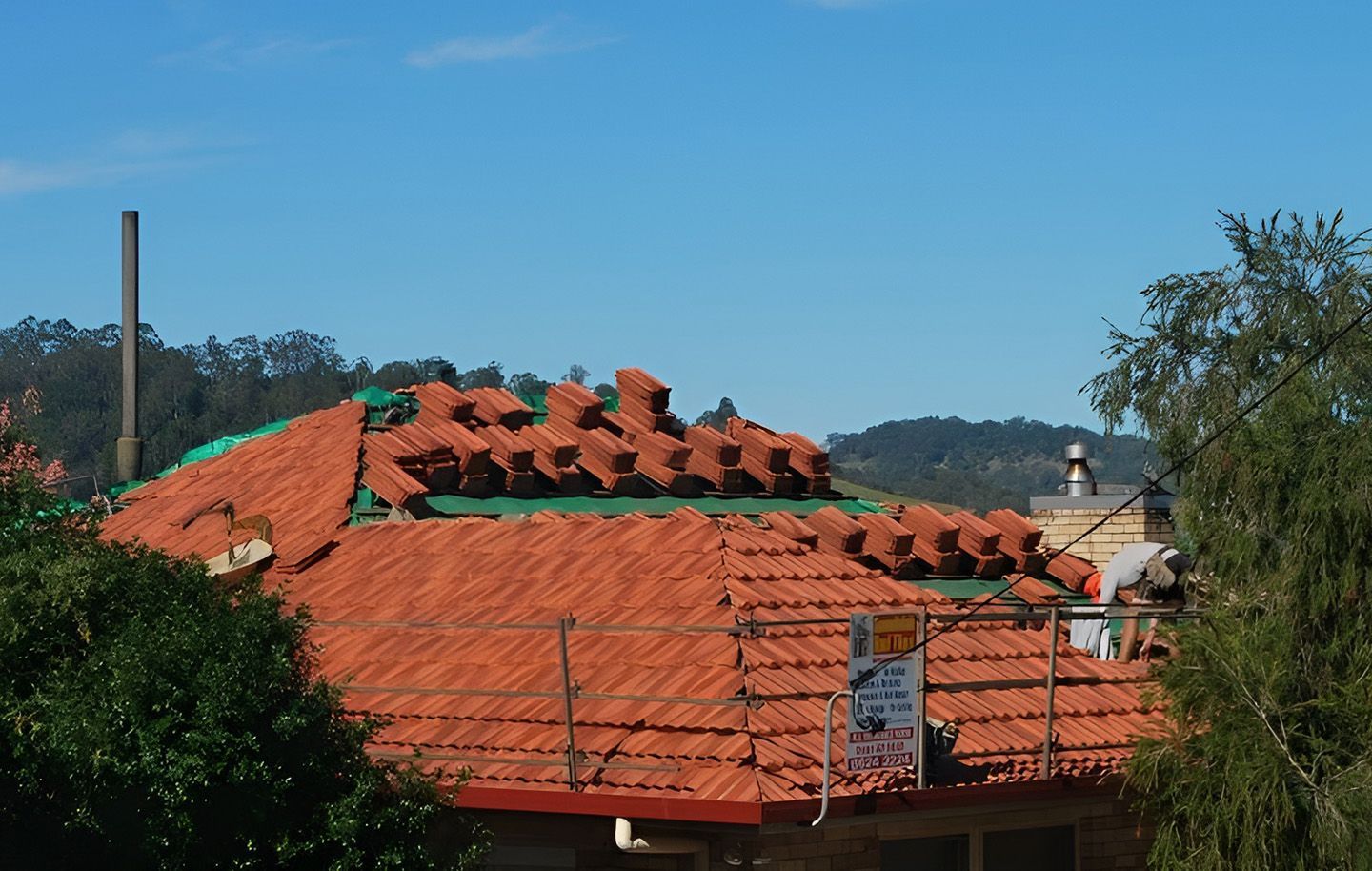
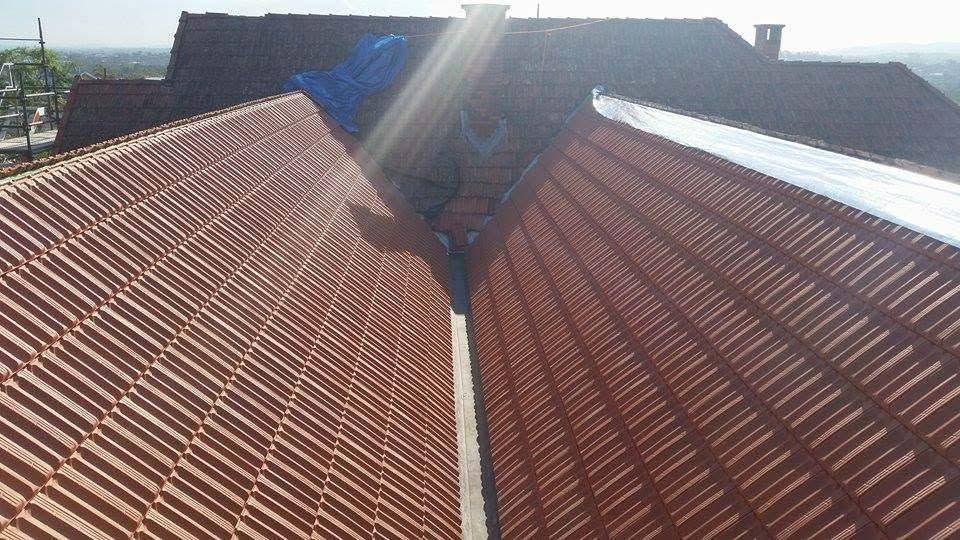
The challenge is knowing when repairs stop being practical and when to replace roof systems altogether. A re-roof is not simply cosmetic. It is a structural decision that affects insulation, safety and long-term maintenance. Delaying that decision can increase costs and risks.
For those considering roofing in Lismore, weather exposure and age both play a part. Heavy rain, heat and storms place repeated stress on materials. Over time, even well-installed systems begin to show their limits. Seasonal expansion and contraction can gradually weaken fixings and seals. What starts as minor wear can accelerate once protective layers begin to break down.
This guide outlines clear signs that suggest it may be time to look beyond patchwork fixes. If you are wondering when to replace roof materials, the following indicators provide a practical starting point. Recognising these early warning signs can help you plan ahead rather than react to sudden failure.
Age Alone Can Be A Deciding Factor
Even well-built roofs have a lifespan. Materials deteriorate gradually, often long before visible damage becomes severe. Older roofs may still look intact from the street while hidden weaknesses develop beneath the surface. Knowing the installation date provides valuable context.
- Roof tiles nearing or exceeding their expected service life
- Fading, brittleness or surface erosion
- Outdated underlay or sarking materials
- Original flashings that have not been upgraded
- Repeated minor issues over several years
When a roof approaches the end of its design life, ongoing repairs can become less cost-effective.
Re-roofing in Lismore may provide a more stable long-term solution.
Recurring Leaks That Never Truly Go Away
A single leak can often be repaired. Persistent leaks are different. When water finds multiple entry points, it usually signals broader system failure. Ceiling stains are often the last stage of a deeper issue.
- Water marks reappearing after repairs
- Damp insulation or mould growth in roof cavities
- Rusted or deteriorated flashing
- Cracked or slipped tiles near valleys
- Increased maintenance calls after heavy rain
Recurring leaks suggest that surface repairs are no longer addressing the root cause. In these cases, assessing when to replace roof materials becomes a practical discussion.
Sagging Or Uneven Roof Lines
A straight roofline is more than an aesthetic feature. It reflects structural integrity. Sagging can indicate weakened battens, rotting timbers or long-term water damage. Left untreated, these problems can worsen.
- Noticeable dips along ridgelines
- Uneven eaves when viewed from the street
- Internal ceiling cracking beneath roof sections
- Soft or spongy roof decking
- Signs of timber decay in roof framing
Structural movement should never be ignored. A full inspection helps determine whether reinforcement is possible or whether a re-roof is required.
Extensive Tile Damage Across Multiple Areas
Occasional broken tiles are common. Widespread cracking or displacement is different. Once damage spreads across multiple sections, repairs become increasingly temporary. Replacement may offer greater stability.
- Clusters of cracked or chipped tiles
- Frequent tile movement during storms
- Tiles slipping from original alignment
- Accumulation of tile fragments in gutters
- Multiple previous patch repairs visible
Extensive tile failure can expose underlay and framing to weather. Upgrading the entire system often restores consistent protection. A full assessment can determine whether repairs will hold or if a complete replacement is the more stable option. Acting early can also reduce the likelihood of secondary damage to insulation and ceiling linings.
Storm Impact And Environmental Wear
Severe weather can shorten a roof’s lifespan. High winds, hail and debris can compromise even relatively new installations. Sometimes damage is subtle but cumulative.
- Hail dents or surface fractures
- Dislodged ridge capping after wind events
- Flashing separation around penetrations
- Increased water ingress following storms
- Repeated insurance-related repairs
After major storms, professional assessment clarifies whether targeted repairs are sufficient. In some cases, comprehensive roofing in Lismore becomes the safer approach.
Rising Energy Costs Without Obvious Cause
Roofs contribute significantly to thermal performance. Ageing materials and damaged insulation can reduce efficiency. This often shows up as increased heating or cooling demand.
- Poor insulation performance in roof space
- Noticeable temperature swings indoors
- Gaps allowing air infiltration
- Outdated ventilation systems
- Degraded reflective surfaces
Improved roofing systems can support better energy regulation. Evaluating roof condition alongside insulation may reveal hidden inefficiencies.
Frequent Maintenance Becoming Routine
Maintenance is expected. Constant intervention is not. If roofing repairs become a regular expense, the overall cost may exceed that of replacement. Patterns matter.
- Annual repair visits becoming standard
- Multiple contractors addressing similar issues
- Temporary patch materials visible on the roof
- Ongoing concerns after inspections
- Increasing repair budgets year to year
When maintenance shifts from preventative to reactive, it often signals a broader need for renewal. At this point, a strategic re-roof may offer clearer value.
Plans To Renovate Or Upgrade The Property
Major renovations provide an opportunity to reassess the roof. Structural changes or aesthetic upgrades may not align with an ageing roof system. Coordinating projects can reduce future disruption.
- Adding solar panels requiring secure fixing
- Extending living areas beneath older roofing
- Converting roof space into usable rooms
- Updating external façade materials
- Preparing property for resale
Integrating roofing decisions into renovation planning ensures compatibility and compliance. Reviewing when to replace roof materials early avoids duplication of work later.
A detailed understanding of what to expect during a roof replacement can also help property owners prepare for the process. For further insight, see this guide: what to expect during a re-roofing in Lismore.
Here at Goonellabah Roof Tilers we work with property owners assessing roofing in Lismore and surrounding areas. Whether you are experiencing recurring leaks, visible ageing or uncertainty about when to replace roof materials, a thorough inspection provides clarity. Our team offers guidance on repair versus full re-roofing in Lismore based on structural condition and long-term value.
Contact us to arrange an assessment and discuss practical options for your property in Lismore, ensuring your roof remains stable, weather-ready and suited to local conditions.